Slow miles, open roads, and the stories between stops
Slow miles, open roads, and the stories between stops
Razzak Travel is a travel-inspiration magazine covering slow travel by train, mountain towns, heritage visits, city walking itineraries, seasonal trip ideas, and practical planning guidance.
Travelling overland by rail at a deliberate pace allows travellers to observe landscapes shift gradually and settle into places rather than simply pass through them. This piece looks at how a slower approach to rail travel is generally organised and what it tends to involve.
Historic town centres reward those who approach them with a loose structure rather than a rigid schedule. This article outlines how walkers typically map their routes through winding lanes, market squares, and heritage districts.
As summer crowds thin and foliage changes, mountain towns take on a different character that many travellers find appealing. This piece describes what autumn conditions generally mean for hiking trails, local markets, and the overall atmosphere of highland settlements.
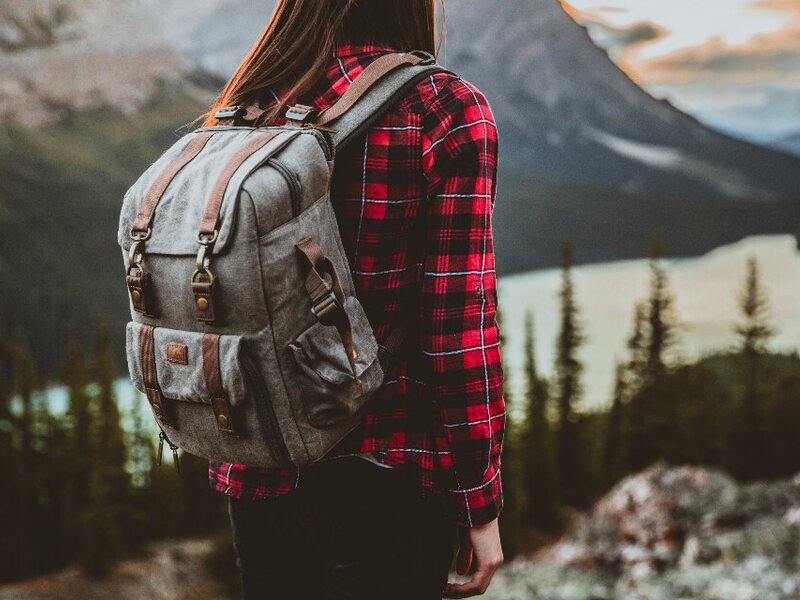
Assembling the right kit for several days on a mountain trail involves balancing weight against necessity. This guide walks through the categories of gear — footwear, layering, navigation, and camp supplies — that experienced hikers tend to prioritise.
Despite the prevalence of digital navigation, paper maps continue to offer a broad spatial perspective that screen-based tools can obscure. This article explores how road-trippers use printed maps alongside other planning tools to navigate countryside routes.
Produce stalls, prepared-food vendors, and artisan makers at weekly markets offer a compact picture of local agriculture and culinary tradition. This piece describes how travellers typically spend a morning at a regional market and what they find there.
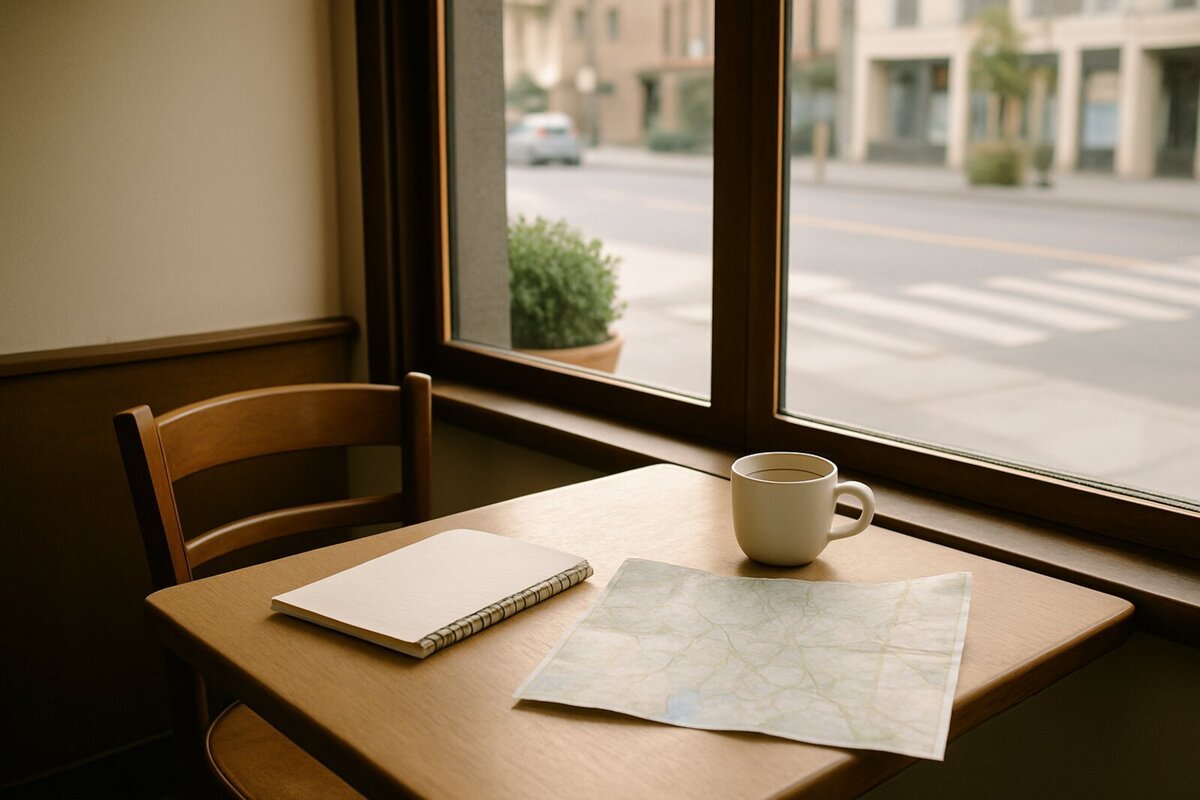
Sitting in a small cafe with a map and planning the next day is a familiar habit on longer trips. We share general ideas for choosing simple, comfortable stops.
Planning a Road Trip
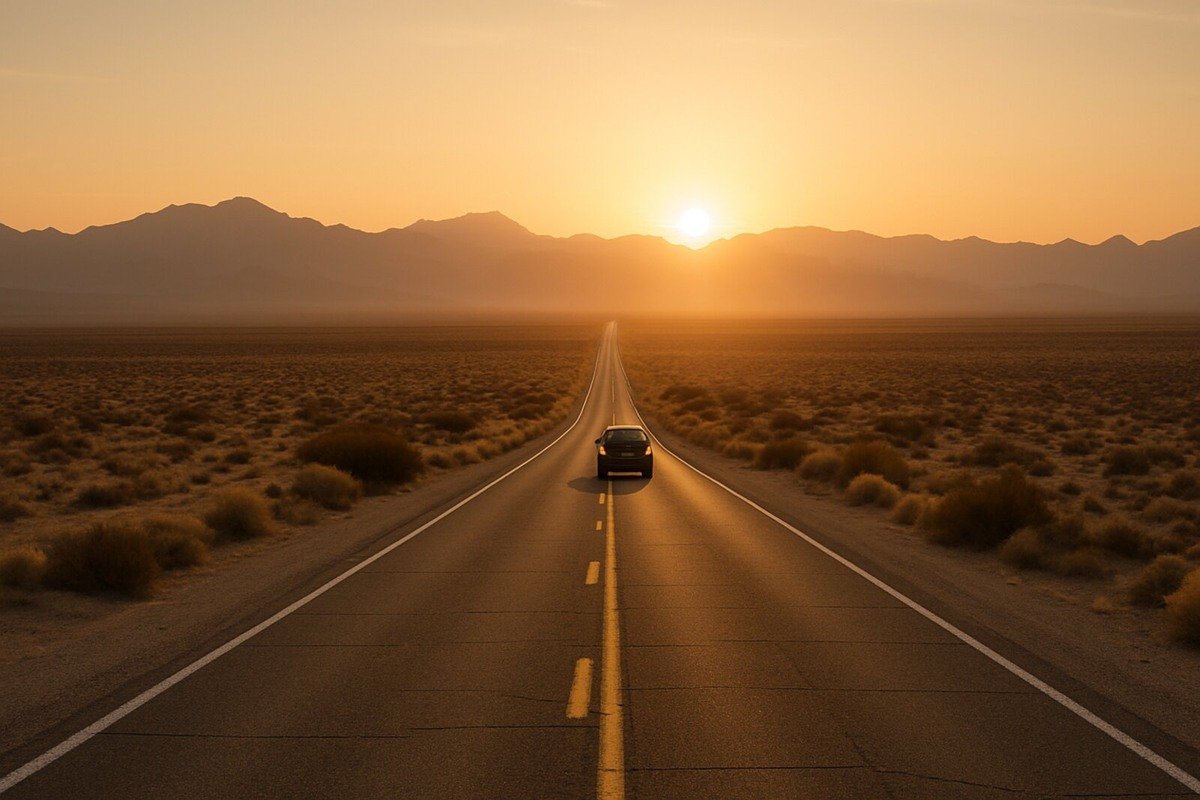
On a road trip, the route, the stops and the weather are often planned ahead. This section shares general ideas for keeping a drive simple, such as scheduling breaks and saving maps for offline use. Local driving rules differ from place to place.
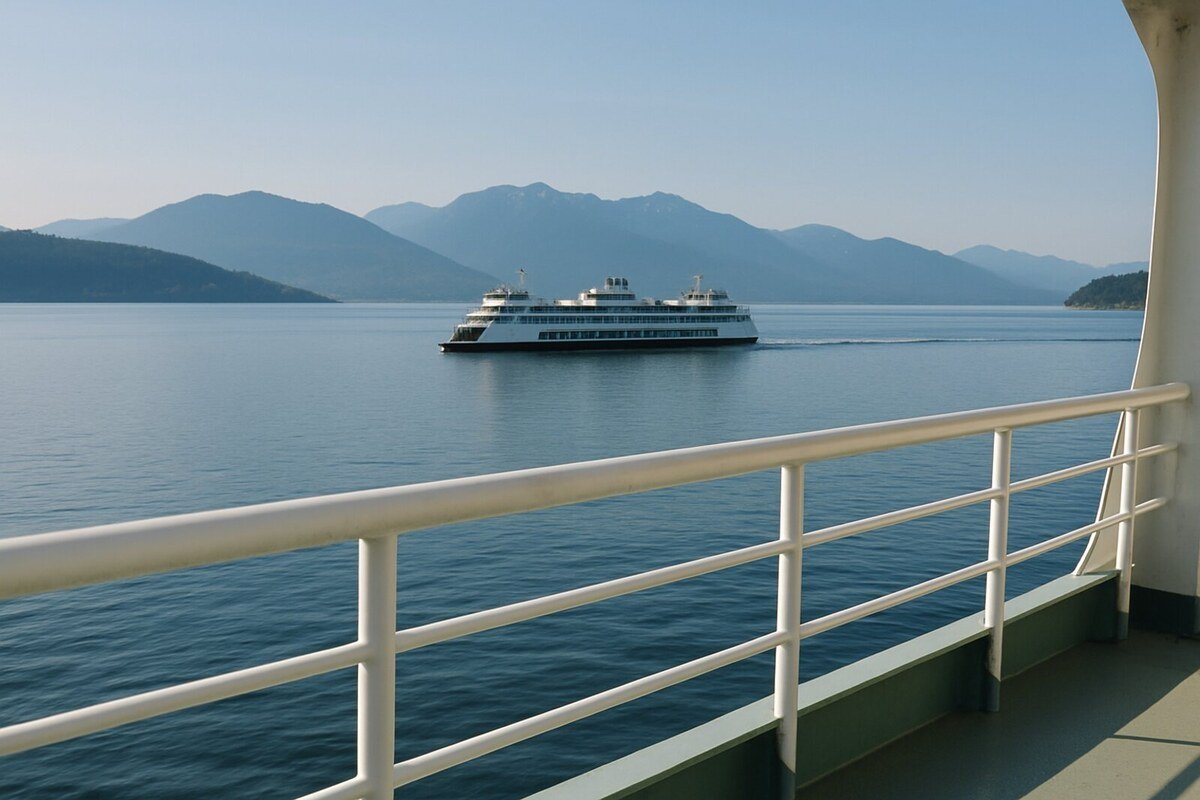
Travelling on the Water
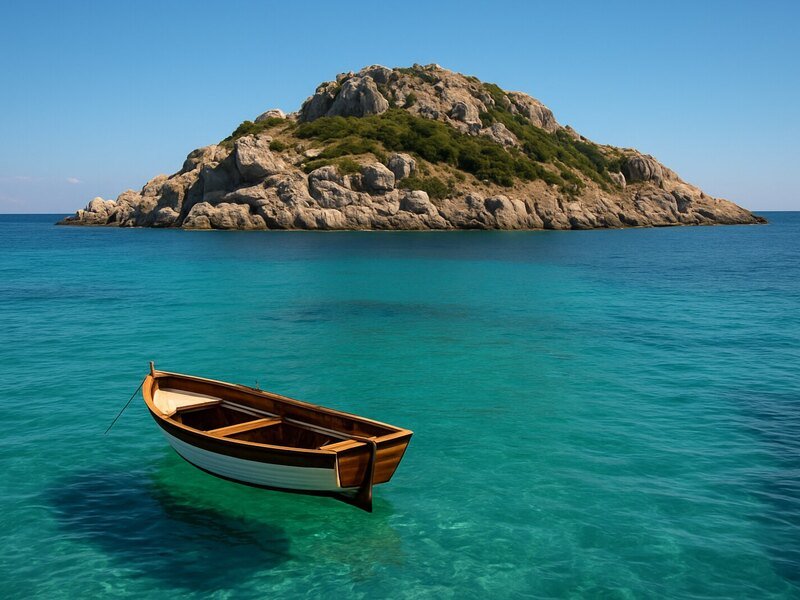
Boats and ferries are an everyday way of getting around many coastal areas. We cover general ideas for reading timetables, keeping luggage tidy and adjusting plans when the weather changes.
Why Razzak Travel
Clear Writing
Plain, practical language with no jargon.
Trip-Planning Ideas
Routes, packing and getting around, explained simply.
Independent Voice
Reader-first articles published for general information.
At a Glance
Topic
What It Covers
Everyday Idea
Trip planning
Routes, seasons and timetables
Draft a simple list before you go
Packing
Light, practical essentials
Re-check bags against a checklist
Getting around
Trains, roads and local transport
Look up official timetables ahead
Where to stay
General things people consider
Study the surrounding area on a map
Local food
Markets, cafes and regional dishes
Wander a local market for ideas
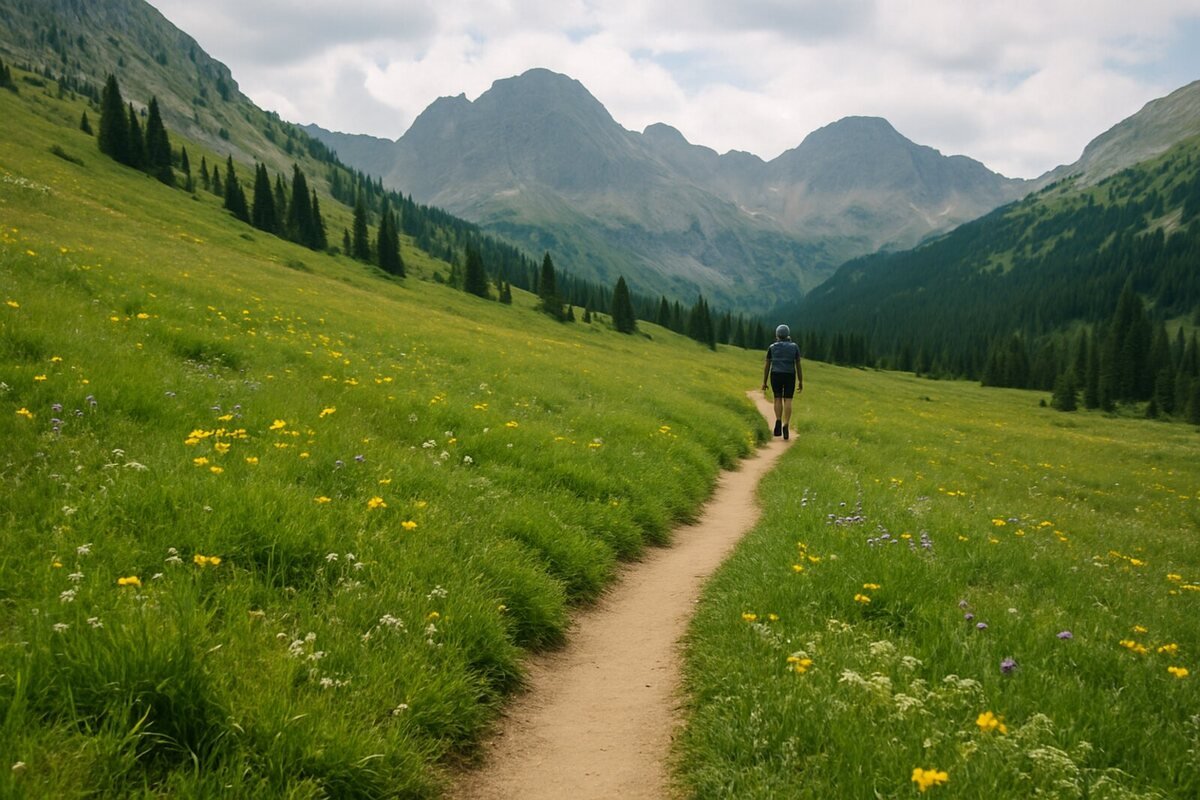
Walking the Trails
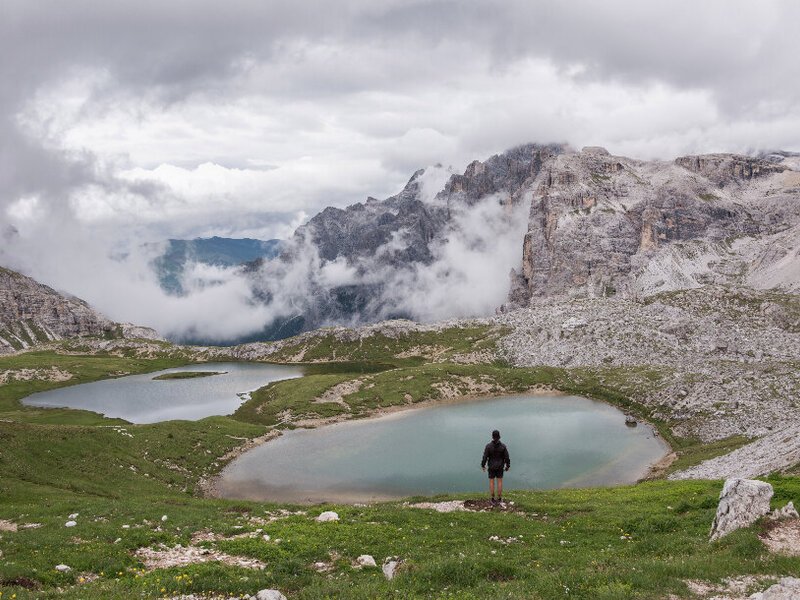
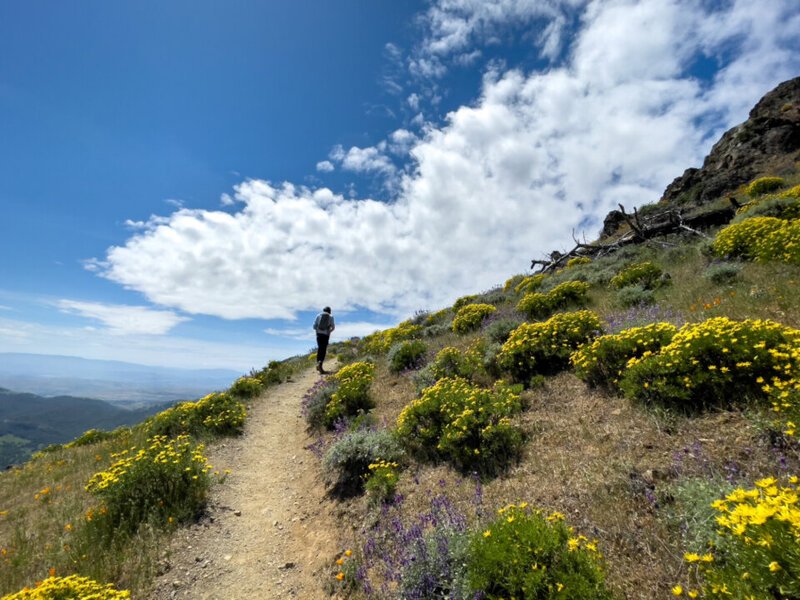
Comfortable shoes, water and a clear map are widely considered the basics for a walk on a trail. We cover general ideas for choosing a route, setting a pace and leaving time to turn back. Please check local information before heading somewhere new.
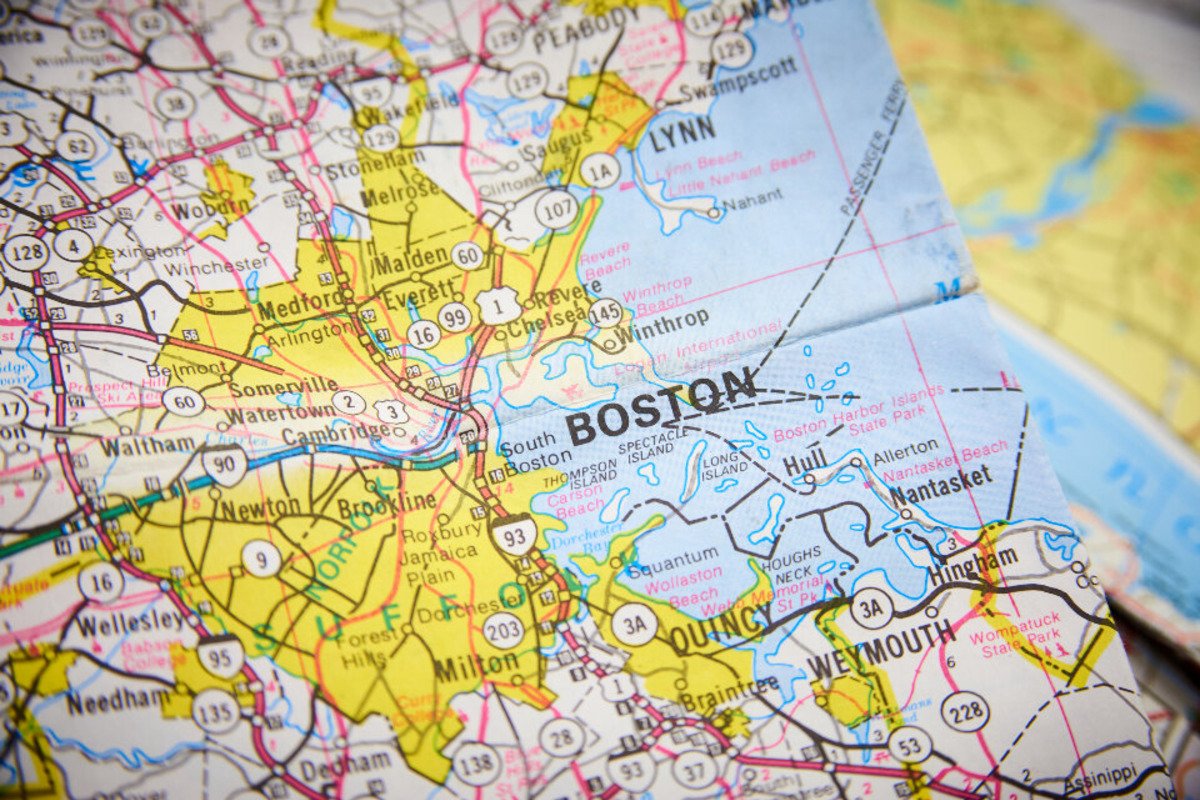
Planning with Maps and Lists
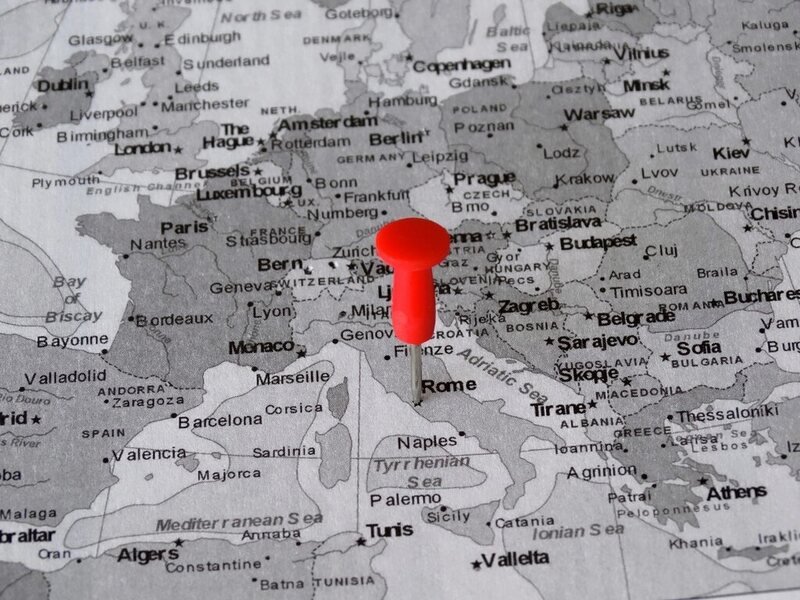
Many people begin planning a trip by marking places on a map and drafting a day-by-day list. We share general ideas for keeping an itinerary flexible and leaving room to rest.
Old Towns and Historic Sites
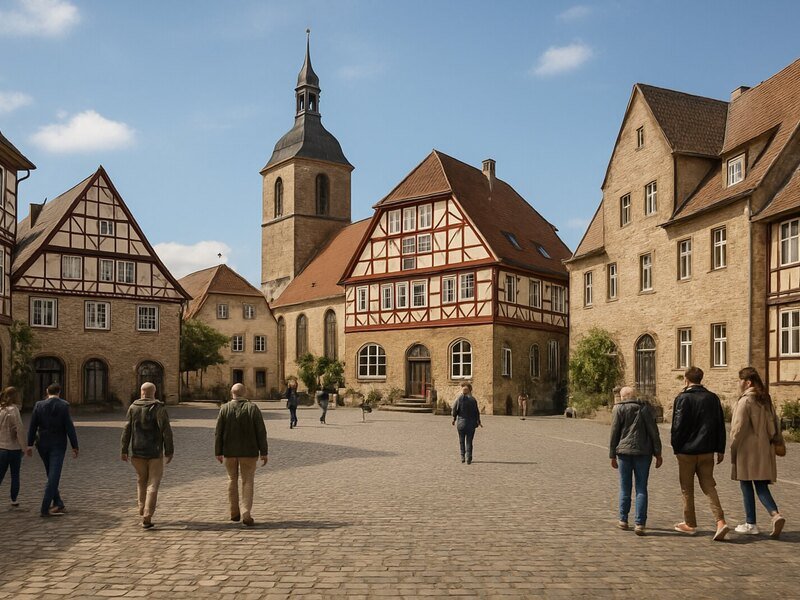
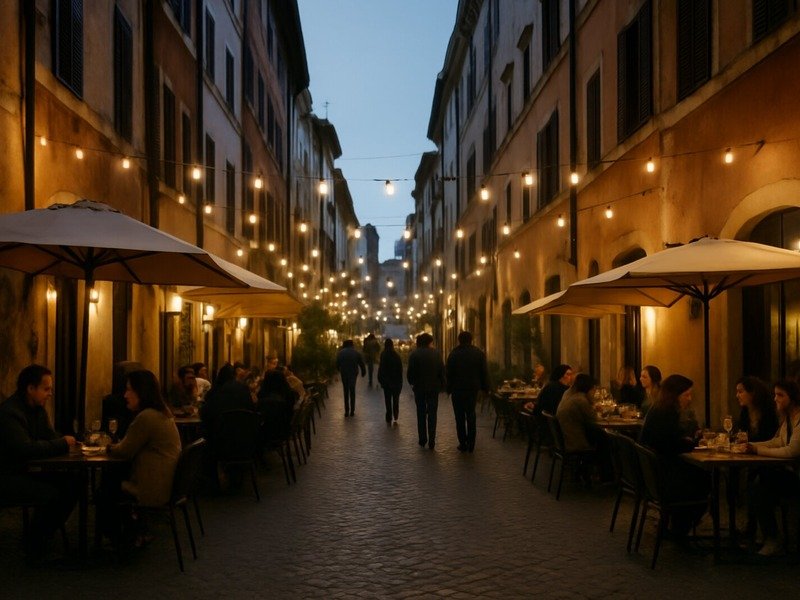
Strolling through the lanes of an old town is a favourite for many travellers. We share general ideas for visiting historic sites, such as checking opening times in advance and respecting local customs.
Travel planning draws on a wide range of skills, from reading terrain on a printed map to organising layover time at a large transit hub. This site gathers practical editorial content about how journeys are shaped, structured and experienced, covering everything from mountain trails and coastal walking paths to weekend city breaks and long-distance rail routes.
Each section of this site approaches a different dimension of travel. Some articles focus on the physical side of getting around, such as packing for multi-day hikes or navigating regional bus networks. Others look at slower, more reflective aspects of travel, including journaling, photography habits, and the way local food markets can introduce a region's character to a curious visitor.
The content here is organised to be useful at any stage of planning. Whether someone is deciding what season suits a particular type of destination, researching how heritage sites typically structure their visitor experience, or simply looking for ideas about how other travellers approach a self-guided itinerary, these articles aim to offer clear, descriptive information rather than prescriptive advice.
How Travellers Organise an Itinerary
Building an itinerary involves layering different types of information: transport schedules, opening hours, walking distances and seasonal conditions. Many travellers begin with a rough geographic outline, marking areas they want to move through before filling in finer details. A useful itinerary usually balances structured visits, such as heritage sites or guided routes, with unscheduled time that allows for slower exploration of streets, markets or viewpoints at whatever pace suits the day.
Printed itineraries and digital notes often work alongside each other rather than as alternatives. Some people keep a written journal as a live document, adjusting plans as conditions change. Others prefer a fixed structure mapped out in advance. The method matters less than its clarity: knowing roughly how long a journey segment takes, where rest points fall along a walking route, and how to move between areas without relying on a single type of transport all contribute to a more adaptable travel experience.
Seasonal Patterns and How They Shape Travel
The season during which a journey takes place can change nearly every aspect of how a destination feels and functions. Mountain towns in autumn look and operate differently from the same places in midsummer. Coastal villages that are active and populated in warmer months take on a quieter character in winter. Understanding seasonal patterns in general terms, such as when walking routes are typically open, when local markets run, or how transport frequency changes, is a practical part of the planning process.
Spring and autumn are often associated with shoulder-season travel, a term used to describe the periods between peak visitor numbers and off-season closures. These intervals tend to attract travellers interested in a more relaxed pace. Seasonal awareness also shapes packing decisions: layering clothing for unpredictable mountain weather differs significantly from preparing for a flat coastal walk in summer. Checking current and historical seasonal information through official regional tourism sources is a reliable way to understand what conditions to expect.
Reading Maps and Navigating Unfamiliar Areas
Map literacy is a practical travel skill that spans both printed and digital formats. Paper maps remain valued by many travellers for their reliability in areas with limited connectivity and for the broader geographic context they provide at a glance. Understanding scale, contour lines, and the symbols used for footpaths, roads, and points of interest allows a traveller to interpret terrain before arriving. Regional maps often include colour coding or shading conventions that vary by country and publisher.
Digital mapping tools use different conventions, typically layering real-time data over a base map. Satellite view, topographic overlays and route-tracing functions each serve different needs. Many experienced travellers carry both formats: a printed overview map for broad orientation and a device for detailed navigation on the ground. Learning to cross-reference the two, noticing where they agree and where they diverge, is a useful habit, particularly on walking routes or road trips through areas with irregular signage.
Culture, Heritage and Visitor Etiquette
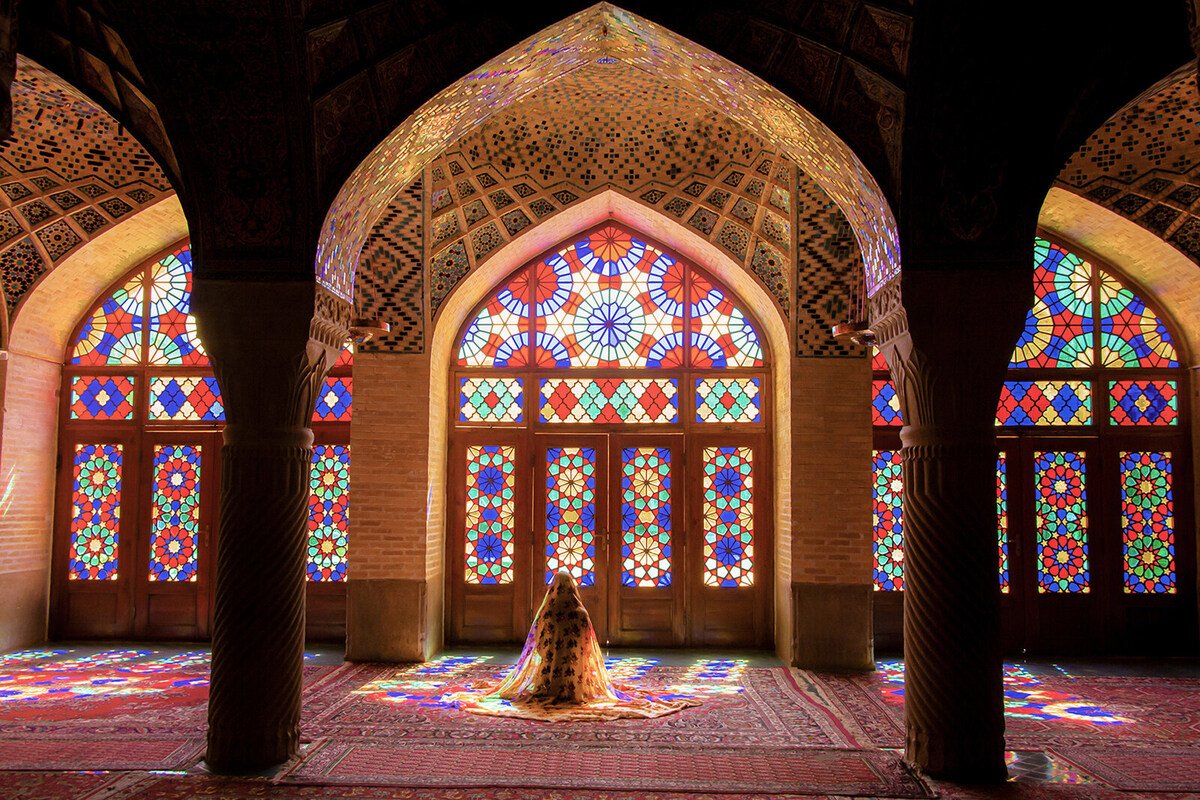
Heritage sites, museums and culturally significant locations generally have their own expectations around visitor behaviour, and these vary considerably across regions. Some spaces follow practices tied to religious or ceremonial significance, with specific dress codes or areas restricted to certain visitors. Others focus on conservation, asking visitors to follow paths, avoid touching surfaces, or refrain from photography in particular rooms or sections. These guidelines are usually displayed at entry points and are worth reviewing in advance of a visit.
Understanding the context of a heritage site enriches the experience of moving through it. Interpretive materials such as audio guides, printed room notes, and exhibition labels are the main ways that sites communicate historical and cultural context to visitors. Reading these carefully, rather than moving quickly through a space, tends to be how travellers gain a fuller picture of what they are looking at. When visiting communities or living cultural practices, general respectful observation and following local lead are the most widely recommended approaches.
Topics Readers Are Exploring
Packing for Train Travel
Travelling by rail involves different packing considerations than flying, particularly around luggage size and accessibility during the journey. Many travellers organise bags to allow easy access to essentials without unpacking fully at each stop.
Autumn Mountain Itineraries
The autumn season brings distinct conditions to mountain regions, from foliage colour changes to shifting trail accessibility. Planning an itinerary around seasonal patterns is a common approach among walkers and hikers.
Old Town Walking Routes
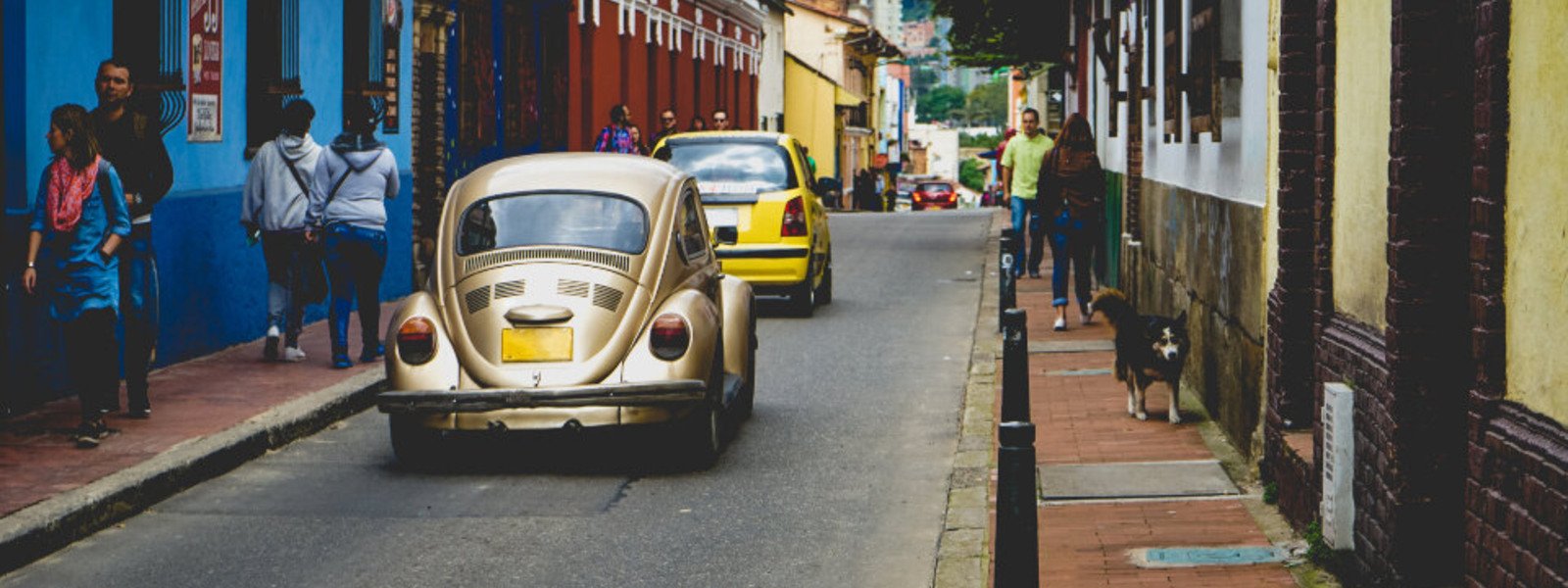
Historic town centres are often navigated on foot, with cobbled streets, squares and heritage buildings forming natural waypoints. Guides and local maps typically organise these routes by era or neighbourhood character.
Travel Photography Habits
Documenting a journey through photography involves decisions about equipment, timing and subject selection. Many travellers develop consistent habits around when and how they capture scenes along a route.
Regional Food and Markets
Open-air and covered food markets are a common feature of towns and cities across many regions, reflecting local agricultural traditions and seasonal produce. They are frequently included in itinerary planning as cultural reference points.
Self-Guided City Breaks
A self-guided city break typically involves selecting a base neighbourhood, identifying key areas to explore and organising transport between them. Printed maps, downloaded guides and local visitor information are commonly used together.
Common Travel Planning Terms and How They Appear
Term or Item
Where It Is Commonly Found or Used
Wording a Reader May See in Guides or Materials
Slow travel
Travel writing, itinerary guides and rail-focused publications
Often described as 'taking time in one place' or 'low-pace touring'
Waymarked trail
Hiking maps, national park leaflets and trail signage
May appear as 'waymarked route', 'marked path' or 'colour-coded trail'
Rail pass
Long-distance train documentation and multi-country network guides
Referred to as 'consecutive-day pass', 'flexi-pass' or 'point-to-point ticket'
Heritage site
Museum entry materials, tourism boards and printed area guides
Labelled as 'listed building', 'scheduled monument' or 'protected site'
Layover
Airport transit guides and airline documentation
May appear as 'stopover', 'connection time' or 'transit period'
Itinerary
Travel journals, tour outlines and destination planning booklets
Described as 'day-by-day plan', 'route outline' or 'suggested schedule'
Illustrative Reader Browsing Interest by Travel Subtopic
Train and Rail Travel87
Hiking and Walking Routes82
City and Heritage Exploration75
Packing and Preparation68
Food Markets and Local Culture61
Travel Journaling and Photography45
These values are illustrative editorial estimates only and do not represent measured data or any specific audience figures.
A Brief History of Travel Writing and Trip Planning
The practice of documenting journeys and sharing observations about distant places has a long history across many cultures. Ancient travellers wrote accounts of routes, landscapes and customs that served as practical references for those who followed. Over centuries, these accounts evolved from personal correspondence and handwritten diaries into printed guidebooks and, later, magazine-style travel journalism. Each format shaped how destinations were described and how readers prepared for their own journeys.
The guidebook as a distinct publishing category developed gradually, with printed volumes covering specific regions and offering travellers a standardised way to compare information about accommodation, transport and points of cultural interest. The language of travel writing also formalised during this period, introducing terms still in use today, such as itinerary, layover, and transit, each originating in older forms of journey-keeping and route documentation from the era of sea and overland travel.
With the wider availability of photography in the twentieth century, visual documentation became central to how journeys were recorded and shared. Travel magazines and illustrated guides brought destination imagery to audiences who had not yet visited a place. Later, digital publishing and personal travel blogs shifted the format again, distributing first-person accounts and practical how-to content broadly. The editorial approach of describing places factually and organising information by theme or journey type continues this long tradition of helping people plan with reliable reference material.
How do travellers generally begin researching a destination?
Most destination research begins with a combination of guidebooks, official tourism websites and printed maps. Regional visitor centres also distribute leaflets covering local attractions, trails and transport links. Cross-referencing several sources is a common approach, as details such as opening times and entry conditions can change. Official sources are generally the most reliable starting point.
What is the difference between a waymarked trail and a footpath?
A waymarked trail is a designated route marked with consistent signage, coloured posts or symbols to guide walkers along a defined path. A footpath is a more general term for any right of way on foot, which may or may not be formally marked. Trail guides and national park materials typically explain the marking system in use for each specific area. Checking current trail conditions with local land management authorities is advisable before setting out.
How are long-distance rail passes typically structured?
Long-distance rail passes are generally organised around either consecutive travel days or a set number of flexible travel days within a wider period. Some passes cover a single country while others span multiple national rail networks. The terminology used, such as 'flexi-pass' or 'point-to-point', varies between rail operators and regions. Checking the specific terms with the relevant rail authority ensures the pass type suits the intended itinerary.
What materials are commonly used for travel journaling?
Travel journaling materials range from simple ruled notebooks to dedicated dotted or watercolour journals designed for mixed-media entries. Many travellers incorporate printed photographs, ticket stubs, maps and sketches alongside written notes. The choice of binding, paper weight and cover type tends to depend on the length and style of the journey. Specialist stationery shops and travel bookshops typically carry a range of formats.
How do heritage sites typically organise their visitor information?
Heritage sites commonly present visitor information through a combination of on-site interpretation panels, printed trail leaflets and audio guides. Many sites also maintain official web pages where entry details, accessibility notes and seasonal hours are published. Terminology such as 'scheduled monument', 'listed building' or 'conservation area' reflects formal designation categories used in heritage documentation. Individual circumstances and accessibility needs vary, so contacting the site directly before visiting is often recommended.
What does 'slow travel' generally mean in itinerary planning?
Slow travel is a term used in travel writing to describe an approach that prioritises spending more time in fewer places rather than covering many destinations quickly. It is often associated with surface transport such as trains, cycling or walking, as opposed to flying between stops. Itineraries described as 'slow travel' typically include longer stays in individual towns or regions. The term appears in travel guides, editorial features and rail-focused travel publications.
How do travellers usually approach packing for multi-day hikes?
Packing for a multi-day hike typically involves categorising items by function: navigation, shelter, clothing layers, nutrition and first aid. Weight distribution across a rucksack is a common consideration, with heavier items placed closest to the back. Gear lists published by outdoor organisations and national park authorities offer general reference frameworks. Individual requirements differ depending on terrain, season and trail length, and consulting a qualified outdoor professional or guide is advisable for challenging routes.
Where can travellers find reliable local information about food markets?
Local food market information is commonly available through regional tourism offices, town hall notice boards and community visitor centres. Market schedules, including days of operation and the type of produce featured, are often published on municipal or regional websites. Travel guides covering a specific region typically include a section on weekly or seasonal markets as cultural reference points. As schedules change seasonally, verifying details with official local sources before planning a visit is recommended.
Using Travel Information Responsibly
Editorial travel content is a starting point for planning, not a substitute for up-to-date official information. Entry requirements, site opening times, transport timetables and trail conditions all change, and should be verified through official regional or national tourism bodies before any journey. Comparing several independent sources and reading critically, rather than relying on a single article, leads to a more accurate picture of what to expect.
For journeys involving specific health considerations, legal documentation or safety planning, consulting a qualified professional is always advisable. Travel advisors, medical professionals and legal specialists provide guidance tailored to individual circumstances that general editorial content cannot replicate. Approaching any new journey with thorough preparation and flexible expectations is a widely shared practice among experienced travellers.
Travel Moments
City streetsLocal marketsOn the waterPlaces to stay